
Windermere Centennial
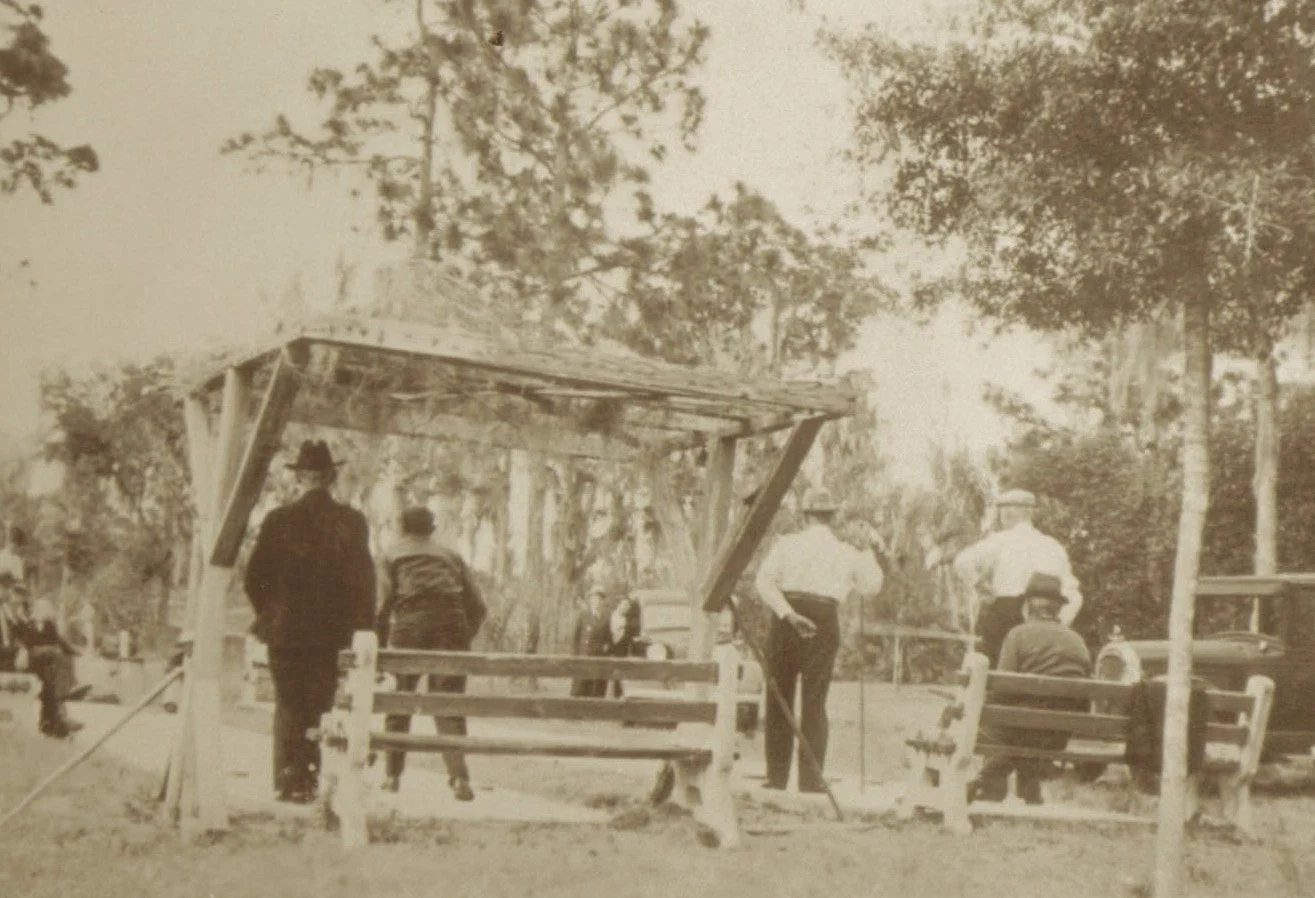
The year 1925 stands as a pivotal moment in history, marked by technological advancements, cultural shifts, and political milestones. In many ways, it echoes the spirit of Walt Disney World’s Magic Kingdom attraction, Carousel of Progress, celebrating humanity’s forward momentum while reflecting on the past.
The Roaring Twenties: A Cultural Awakening
The United States thrived during the Roaring Twenties, fueled by economic prosperity and a cultural explosion. Jazz music, led by icons like Louis Armstrong and Duke Ellington, swept the nation, making dance crazes like the Charleston wildly popular. Radios and movies became mainstream, connecting people in ways previously unimaginable. Meanwhile, Prohibition spurred the rise of speakeasies and organized crime, shaping an underground nightlife culture.
Political and Social Landscape
Calvin Coolidge served as the 30th President of the United States in 1925, emphasizing economic growth with minimal government intervention. His policies reflected the decade’s optimistic economic expansion.
Literature flourished with F. Scott Fitzgerald’s The Great Gatsby, capturing the spirit of the era. In Europe, the Surrealist art movement, championed by Salvador Dalí and André Breton, continued to redefine creative expression.
Technological and Scientific Breakthroughs
The world saw remarkable technological progress in 1925:
- Television Prototype: Scottish inventor John Logie Baird demonstrated the first working television prototype in London, hinting at a new era of communication.
- Automobile Revolution: Henry Ford's Model T became increasingly accessible, transforming personal travel.
- Aviation Milestones: Commercial aviation gained momentum, with planes like the Fokker F.VII expanding possibilities for air travel.
Art and Adventure
Art Deco emerged as a defining design style, influencing architecture, fashion, and interior design. Meanwhile, a daring expedition of Citroën vehicles crossed the Sahara Desert, proving motorized transport’s potential even in extreme conditions.
Florida in 1925: A Land of Promise and Peril
Florida experienced rapid growth during the Florida Land Boom, driven by real estate speculation. Developers marketed the state as a tropical paradise, sparking a surge in migration. Cities like Miami flourished with new infrastructure, including roads, hotels, and resorts. However, inflated land prices and speculative investments foreshadowed the economic bust looming by the decade's end.
Work and Industry:
Construction, real estate, tourism, and agriculture dominated Florida’s economy. Women found employment as teachers, nurses, and domestic workers, while the emerging flapper culture challenged societal norms.
Food and Drink:
Meals reflected Southern culinary traditions with staples like fried chicken, cornbread, fresh fish, and citrus fruits. Due to limited refrigeration, canning and preserving were common. Though alcohol was illegal under Prohibition, speakeasies and moonshine flourished, while sweet tea, lemonade, and coffee remained popular.
Leisure and Entertainment:
- Music and Dance: Jazz and ragtime music filled dance halls, where people flocked to dance the Charleston.
- Movies: Silent films captivated audiences in lavish “picture palaces.”
- Sports: Baseball, golf, and tennis gained popularity, with Florida emerging as a spring training destination.
- Outdoor Activities: Boating, fishing, and swimming were beloved pastimes thanks to Florida’s abundant waterways.
- Community Events: Social life thrived through county fairs, church gatherings, and festive picnics.
Reflections of Progress
Much like the nostalgic yet forward-looking spirit of Carousel of Progress, the year 1925 embodied humanity’s quest for innovation amid cultural transformation. Florida’s journey from boom to bust paralleled the national story of ambition, resilience, and reinvention—reminding us that progress often comes with both triumph and challenge.
