
A Peek at the Past | By Savannah Tradd
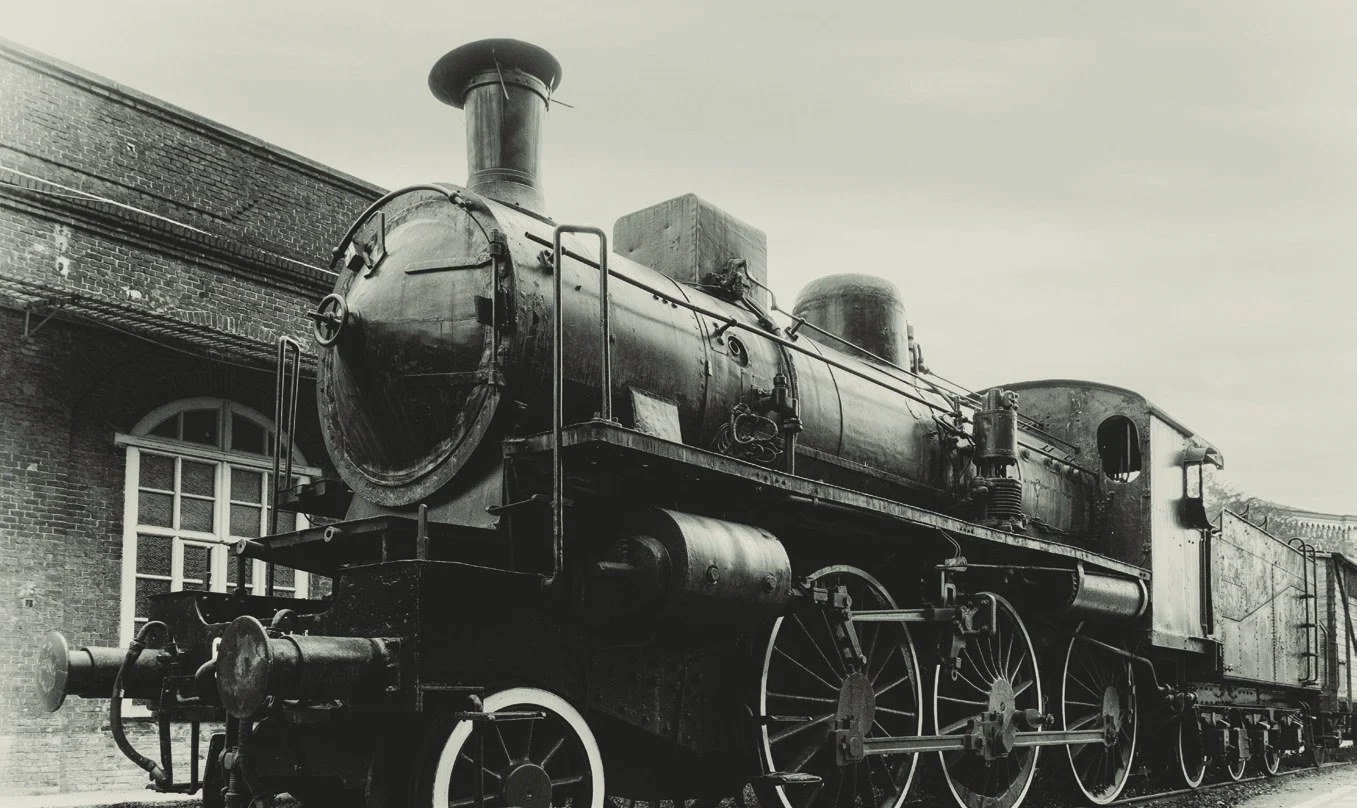
Windermere has a history closely intertwined with the development of the railroad. The arrival of the railroad in Windermere was a pivotal event that significantly influenced the town's growth and development.
In the late 19th century, Florida experienced a railroad boom, led by industry tycoons like Henry Plant and Henry Flagler. This period was marked by the expansion of railroad lines throughout the state, aiming to boost the economy and facilitate the transport of goods and people.
Windermere's railroad history began in the early 20th century when the Tavares & Gulf Railroad extended its line to the area. This extension was crucial for Windermere, as it connected the town to larger cities and markets. The railroad enabled easier shipment of agricultural products, particularly citrus, which was a significant industry in the region.
The presence of the railroad also spurred residential development. People were attracted to the scenic beauty and tranquility of Windermere, and the railroad made commuting to cities more feasible. This led to a gradual increase in population and the establishment of local businesses catering to both residents and visitors.
In 1916 the railroad schedule showed the Cannonball Express leaving Windermere for Kissimmee at 7:24 am, with a 5-hour layover that provided plenty of time for shopping and lunch, returning to Windermere by 3:07 pm. At the time it took a full day to travel from Windermere to Orlando, making Kissimmee the preferred destination.
However, with the advent of automobiles and improved road systems in the mid-20th century, the importance of the railroad in Windermere diminished. The shift in transportation modes led to the eventual decline of railroad operations in the area. In the 1980’s the railroad in Windermere was sold. This transaction ultimately resulted in the park in front of the Town Hall being donated to the town.
Today, while the trains no longer run through Windermere, the railroad's legacy remains a significant part of the town's history. It is remembered for its role in shaping the early development and growth of Windermere, contributing to its unique character.
