
Feature | By Jocklyn Mundy | Photos by Michael Kleinfelt • Windermere Photography
Some places earn their reputation. Windermere didn’t happen by accident. It was built, neighbor by neighbor, generation by generation, by those who believed a community is only as strong as what is poured into it. Jim, Kristin, and their family have been giving back to Windermere for decades.
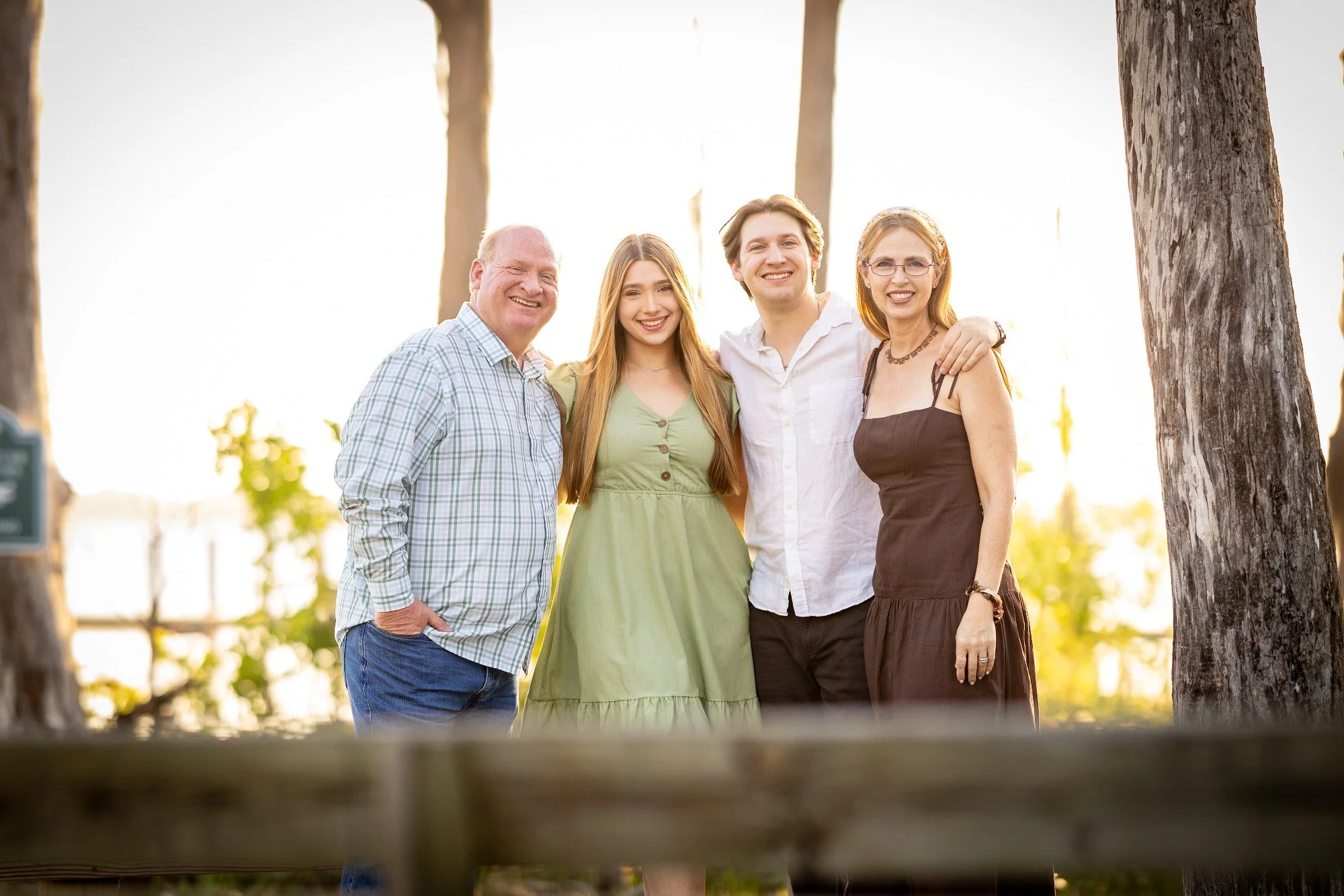
A Town Written in the Family DNA
Kristin O’Brien’s Windermere roots go back generations, to a grandfather who discovered this quiet corner of Central Florida when it was still a rural pocket between the lakes. Kristin’s father, Roger, was one of the town’s most beloved figures. He started his career as a firefighter for the City of Orlando, then transitioned to Kennedy Space Center, where he worked for decades. Roger was a man of quiet civic pride. He attended town council meetings, not to speak, but to listen.
Years later, when Jim and Kristin were ready to put down their own roots, they built the home where they live today, just a stone’s throw from Kristin’s parents. “Windermere wasn’t just where we lived. It became who we were,” explains Jim.
Boy from West Palm, Girl from Windermere
James (Jim) O’Brien grew up in West Palm Beach. He always had an interest in public service; as a teenager, he watched cable-access school board and county commission meetings for entertainment. “It was so interesting,” he says with a grin. The inner workings of local government fascinated him from an early age, and became more than entertainment; it became his passion.
Early in their careers and just out of college, Jim and Kristin met while working at Goodwill in West Palm Beach, she in social services, he in program development, as they began building a life in South Florida. Their passion for service aligned, and their hearts soon followed. After they married, a pattern emerged every weekend: they would load up the RV and drive away from the city just to relax. Eventually, the answer to their own question became impossible to ignore: stop escaping, and start putting down roots somewhere worth staying.
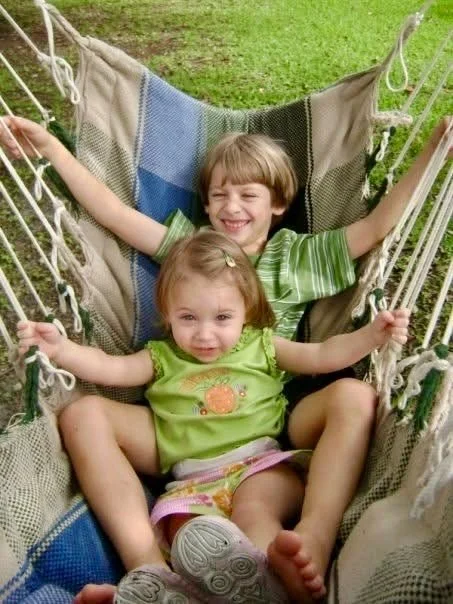
The first time Jim drove through Windermere to visit Kristin’s family, he was genuinely puzzled. No sidewalks. No traffic lights. Dirt roads. “I kept asking, ‘Where does all this dirt go?’” But when it came time to put down roots, there was never really any question. They built their home and family in Windermere. Their family grew; Jacob arrived first, then Emily.
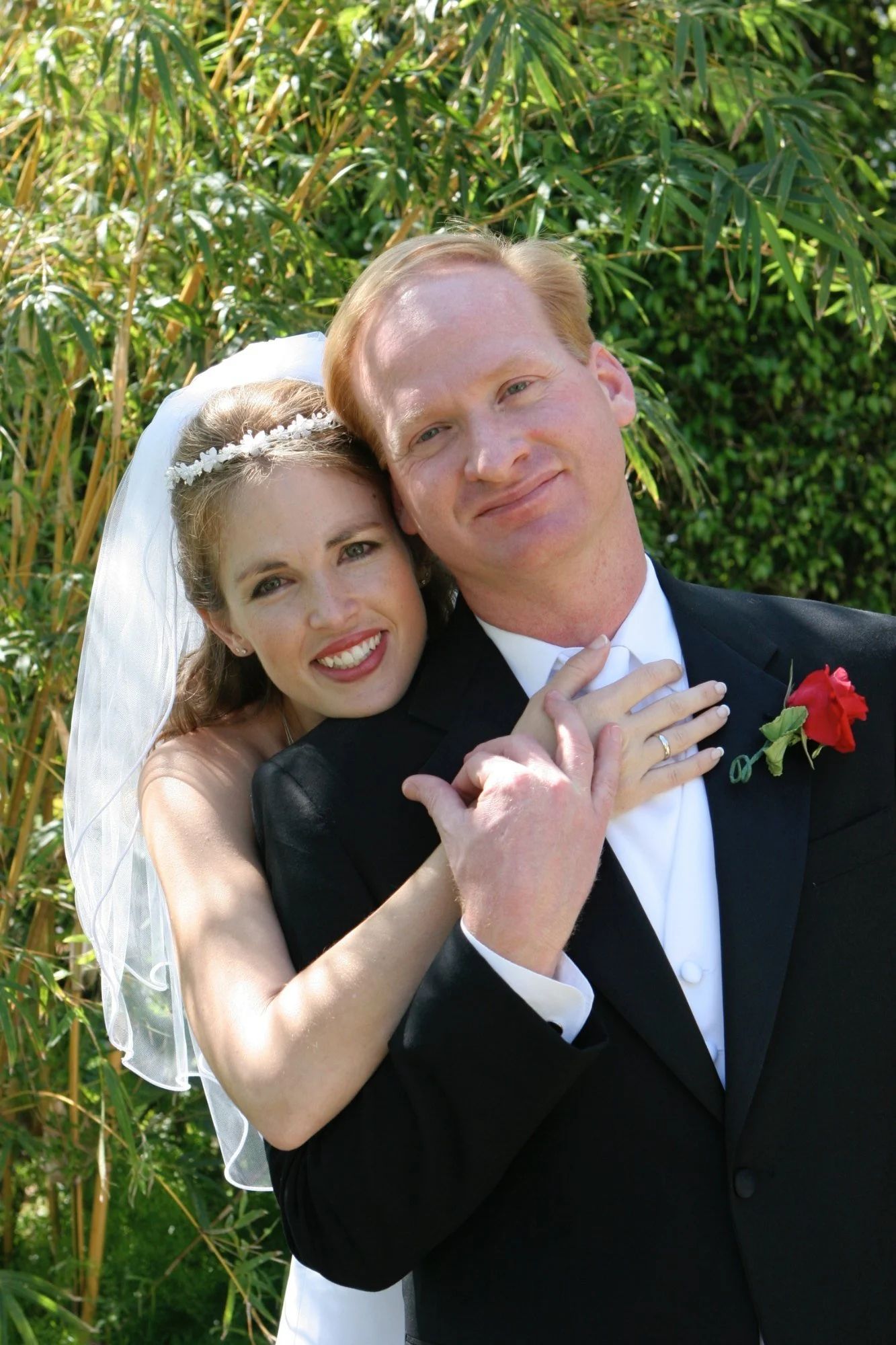
From the Back of the Room to the Head of the Table
Jim did not arrive in Windermere with political ambitions. He started attending town council meetings as a new resident who wanted to understand his community. He served on committees. He worked alongside neighbors, volunteering, showing up, and being present. Years of that kind of investment leave a mark, and the community took notice.
Jim was elected to the Town Council and served for years before the next unexpected development. When the sitting mayor announced he would not seek another term, Jim was approached to run for the position. Jim considered it not from personal ego or entitlement, but from the same place that had always guided him. His vision had always been straightforward: to keep Windermere a place where families can thrive, residents are safe, transparency and integrity are core values, and everyone feels they belong. Small but smart. His heart for service led the way.
Building on a Broken Foundation
What Jim inherited as a newly elected councilmember was not a comfortable post. Windermere, for all its beauty and tight-knit community spirit, had developed serious structural problems. The police department was the town's largest budget line, yet it was not properly resourced or managed. The town had always tried to do things as frugally as possible, and over time, that frugality had become its own kind of failure. Basic legal requirements were overlooked, even simple speedometer calibrations, required by law to validate traffic tickets, were going undone, rendering citations null and void. And evidence? It was kept in an aluminum shed.
For Jim, the question of whether Windermere needed a police department was never complicated. "Your number one job as an elected official is the safety and well-being of your residents. Nothing comes before that."
Jim and the council made a decision: there is no halfway policing. Rather than disband the department or quietly paper over the cracks, they rebuilt it from the ground up. New leadership was brought in. And instead of parks and fountains, the early years of Jim's tenure were consumed with procurement policies, personnel procedures, and organizational frameworks.
"The least exciting stuff ever," he says. "But you can't build anything lasting on a broken foundation, and our town deserved much better."
One of the most defining moments came when the town emptied that aluminum evidence shed and discovered cases that had never been prosecuted, including crimes against women. The easy path would have been silence. The newly built police department would not allow that to happen; they reopened the cases and pursued prosecution. "It was going to look horrible," Jim acknowledges. "But the right thing to do for the victims was to reopen the cases. That's what they did."
What Jim and the council quickly discovered was that there were no proper procedures anywhere, not in the administration, not in procurement, not in hiring. The entire operational foundation of the town needed to be rebuilt from scratch. For the better part of two years, Jim, the town staff, and the council met two or three times a week just to do the work needed.
Jim pushed early and consistently for the police department to pursue national accreditation, a rigorous, multi-year process requiring it to meet professional standards across every facet of its operations, from evidence handling and officer conduct to equipment, documentation, and use-of-force policies.
There were moments when some questioned whether it was necessary, particularly as things began to improve. Jim held firm. Half measures had already proven their cost. There would be no halfway.
Today, Windermere's police department is fully accredited, properly equipped, consistently branded, and staffed by officers who have worked hard to meet the standard. And beyond the department itself, the town's administrative foundation, its procurement processes, personnel policies, and operational procedures had been rebuilt from the ground up as well. What Jim, the town staff, and the council built was not just a better police force. It was the kind of foundation for all the departments that outlasts any single administration.
The Ward Trail: A Decade in the Making
If the administration reform was Jim’s most urgent challenge, the Ward Trail was his most persistent dream. Long before rails-to-trails connectivity became a civic buzzword, Jim saw the potential in the abandoned railroad right-of-way threading through the heart of Windermere. He imagined it as a shaded, walkable linear park. “If that became a four-lane road, it would look like every other road around us,” he explains. “It’s what keeps it quiet, keeps it unique, keeps it ours.”
Ken Ward, who owned key sections of the right-of-way, had resisted every overture for more than eight years. Council member after council member offered to negotiate. Ken enjoyed the conversation but never quite reached a deal. “I think he liked the interaction,” Jim says, with a fondness that has mellowed whatever frustration once existed.
Then tragedy struck. Ken and his wife passed away in a home fire. In the difficult days that followed, their children stepped forward and were willing to work with the town to find a solution that honored their parents’ legacy and served the community they had called home for so long. An arrangement was reached, and the railroad right-of-way finally came to the town. A loss that became a legacy.
The Ward Trail now winds through Windermere bearing the family’s name, and it is becoming far more than a walking path. Now under active construction, the trail will serve pedestrians, cyclists, and golf carts, connecting neighborhoods to schools, civic destinations, and recreational areas throughout the town, providing a safe route for children walking to school, with careful attention paid to preserving as much of the existing tree canopy as possible. Funding has come from multiple sources, including federal and state appropriations. The ultimate vision is to connect to the broader West Orange County trail network, linking Windermere to the region while preserving everything that makes it distinct. Jim saw all of it years before any of it existed.
Two Lives Running at Once
What many may not realize is that throughout it all, every council meeting, every late night of policy drafting, every community crisis and celebration, the mayor serves entirely without pay. The positions of Town Council Member and Mayor in Windermere are 100% volunteer. That makes what he was managing in parallel even more remarkable.
Jim O’Brien’s professional life runs on a very different track. As an Emergency Management consultant, his firm specializes in administering complex federal programs, disaster recovery, housing support, public health infrastructure, and grant reimbursement, and manages everything from site logistics to staffing under strict federal compliance requirements.
During COVID, his firm helped administer testing operations for one of Florida’s largest providers. After Hurricane Michael devastated the Panhandle in 2018, Jim spent years working in communities like Bay County and Panama City, often three or four days a week, helping displaced families navigate the slow, bureaucratic path to recovery. After Hurricane Ian, he was in Fort Myers Beach. When the Surfside condominium collapsed in Miami, his firm was also involved there.
“I’ve worked in philanthropy, in health, in disaster management and emergency operations,” he says.
That experience gave him unusual credibility when sitting across from county officials or FEMA administrators. He wasn’t simply a small-town mayor asking for help; he was someone who had worked the same systems from the inside. “I know what you’re going through,” he could say. “And here are the resources we can bring.”
When the uncertainty of COVID first set in, Jim’s two worlds converged. His experience in public health and emergency operations helped guide how Windermere communicated with its residents clearly, consistently, and with intention. The focus wasn’t just information, but connection. “We knew people needed to feel connected,” Jim explains. “So we made sure they heard from us every single day.”
Some of the Key Initiatives Under the O’Brien Administration
New Town Offices
West Second Avenue improvements
Bessie Stormwater Improvements
Butler Stormwater Improvements
5 Hurricanes
COVID
Acquiring Railroad ROW and construction of the new Ward Trail
Windermere Rd Roundabout
Central Potable Water phase
South Potable Water phase
North Potable Water phase
Police Department Accreditation
Annexation of Chaine Du Lac
Over 12 million in grants and appropriations for the Town
Windermere Police Department Foundation Founding Member
Town Hall Rehabilitation
Town Square Master Plan
500 Block
Windermere Brewery
The Year-Long Centennial Celebrations, including the new Time Capsule
Moving Forward
After years of building, problem-solving, and celebrating alongside the community he loved, culminating in the successful year-long Centennial celebration, Jim and Kristin knew it was time. The torch was ready to be passed, and the journey was worth honoring.
To see the impact Jim and Kristin O’Brien have made on Windermere, you only had to be in the room the night of Jim’s retirement celebration. Inside Town Hall, neighbors, friends, and community leaders gathered. The evening moved easily between heartfelt tributes and good-natured humor, including a “roast” from friend Bill Martini that had the room roaring with laughter, a reminder that here, respect is as comfortable in laughter as in heartfelt words. It was a night of stories, gratitude, and shared history, honoring not just years of service but a life lived in step with the community.
What made the night even more powerful was that both Jacob and Emily asked to give speeches, to honor their father. There had been no coordinated message, just two children shaped by what they had quietly observed their entire lives. They had grown up watching their parents show up to meetings, cleanups, moments of crisis, and celebrations, and had absorbed what that meant: public life is service, and service requires presence. Their words became both a tribute and a challenge to everyone in the room: get involved, volunteer, and leave it better than you found it.
What they expressed, in different voices but with the same clarity, was something learned over years of witnessing consistency, humility, and commitment. It reflected a home where showing up wasn’t an obligation; it was simply what you did.
For Jim and Kristin, it was a moment that said everything without needing explanation. The years of service, the evenings spent at Town Hall, the countless small sacrifices made along the way, they had not gone unnoticed. They had taken root.
“They picked up exactly our message,” Kristin says quietly. “And we never once said it to them directly.”
The Measure of It All
Ask Jim O’Brien about his proudest accomplishment, and he doesn’t point to any single project. Instead, he reflects on something less tangible, moments when Windermere, almost unexpectedly, rose to meet itself.
If pressed, he’ll point to a town record. During his years as mayor, roughly 90 percent of votes were unanimous. “That speaks to a lot of things,” he says. “Good preparation. Good-faith projects. The ability to hear very different opinions and still find a place where everyone can get to yes.” In a town defined by strong personalities and deep roots, that kind of alignment doesn’t happen by accident.
Jim also points to the committees once lightly attended, now filled with younger residents stepping forward, planning events, and taking ownership of the community's future. Last year's Centennial was a prime example of that energy in action, bringing the community together in a way that showcased just how far that ownership has grown. The Centennial was a milestone year marked by numerous events, a time capsule, shared celebrations, and a renewed sense of pride in our beloved town.
But more than anything, he returns to the quieter moments.
He recalls a neighbor, and Rotarian, Bill Criswell, a man who had spent years building homes for disabled veterans, who suddenly found his own house in disrepair. “Here’s a man who does nothing but give,” Jim says. “One of the finest people I’ve ever met.” When word spread, the response was immediate. Painters, roofers, and volunteers showed up to restore not just a home but also to honor a life of service. “It was a simple but powerful reminder of what defines this town,” Jim says. “Windermere gives back.”
It is in those moments that the character of a town is revealed. And Windermere's character has never been defined by ease; it has been defined by presence, by people who show up for one another without hesitation. Nowhere was that more true than in the grief that followed the losses of Officer Robbie German and 1st Lt. Evan Fitzgibbon, two deaths that left a wound in this community that no passage of time fully closes. The O'Briens, as will the town, will always honor their memory. Windermere did what it has always done: it came together. Neighbors showed up for one another, not just in mourning, but in support, in remembrance, and in the quiet, shared understanding of what, and who, had been lost.
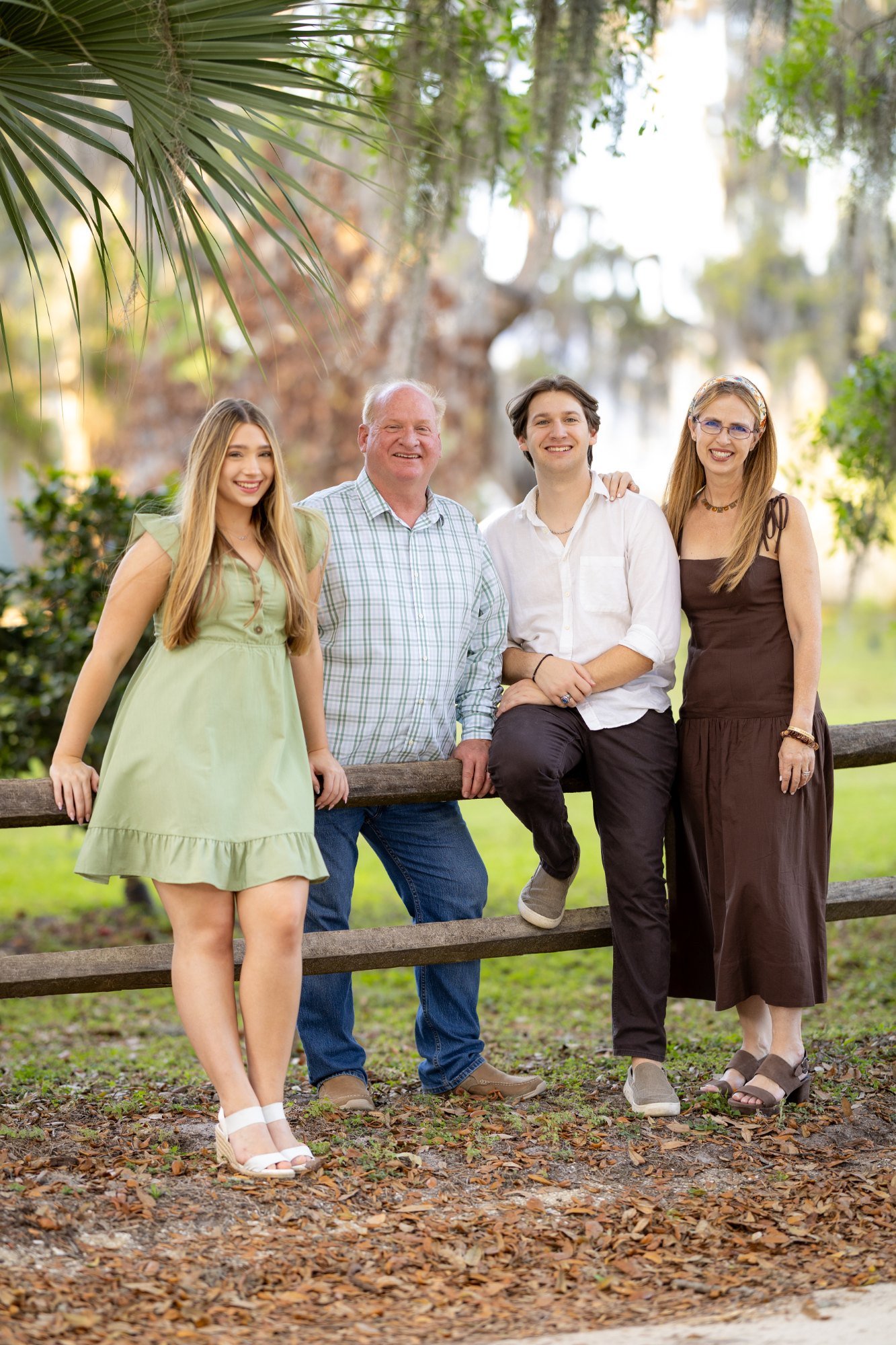
What Comes Next
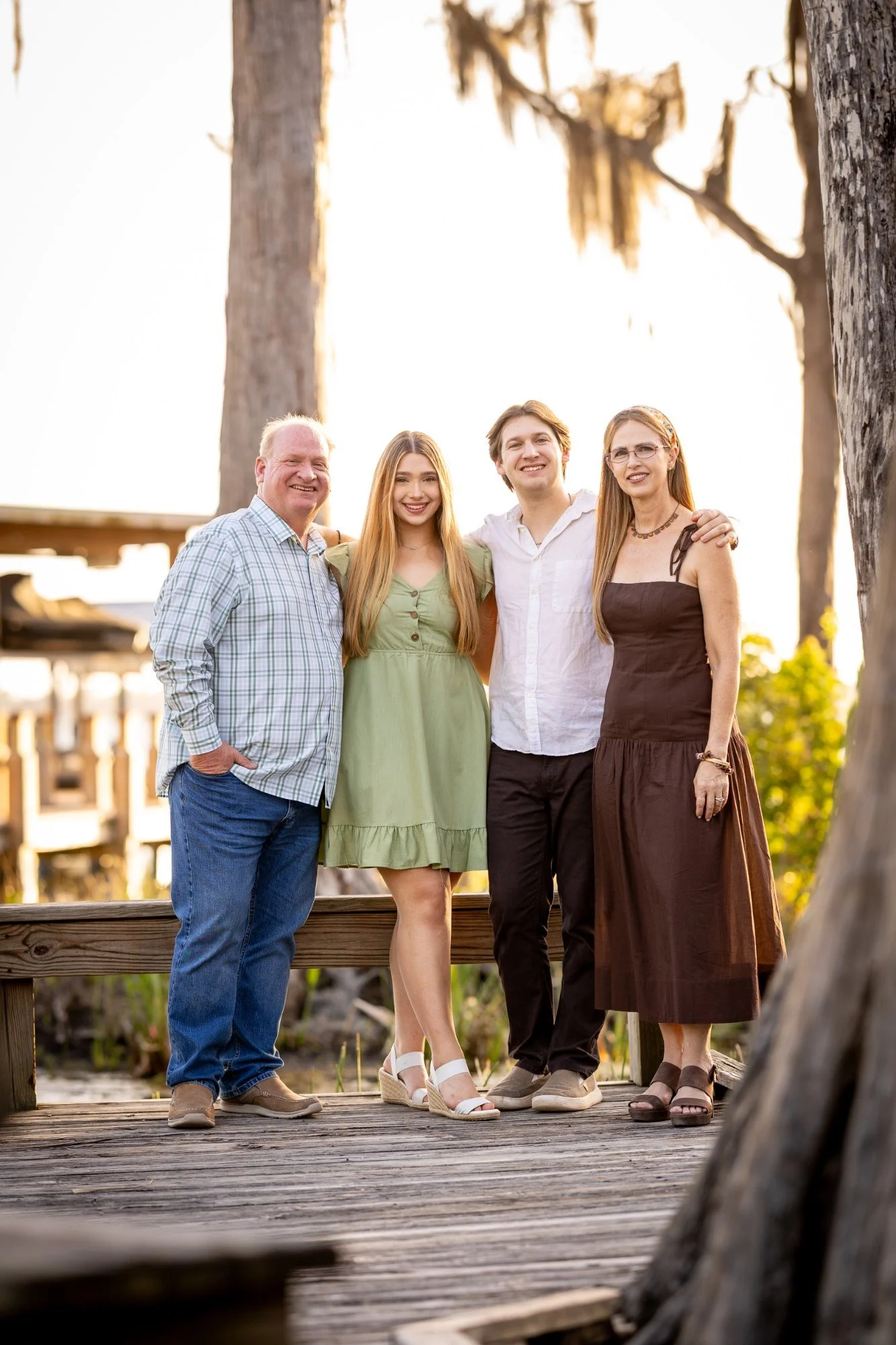
For the O'Briens, not much will change. Kristin will continue her work in Human Services for the State of Florida, supporting individuals with disabilities, a role that reflects the same steady, behind-the-scenes commitment she has always brought to the community. She has long been a quiet force, one whose counsel shaped Jim's leadership in ways that rarely made the agenda. Her gentle yet consistent reminder that “perception is reality” changed how Jim approached decisions and the people affected by them. A living bridge between Windermere's past and present, she was never just beside him. She was part of the work.
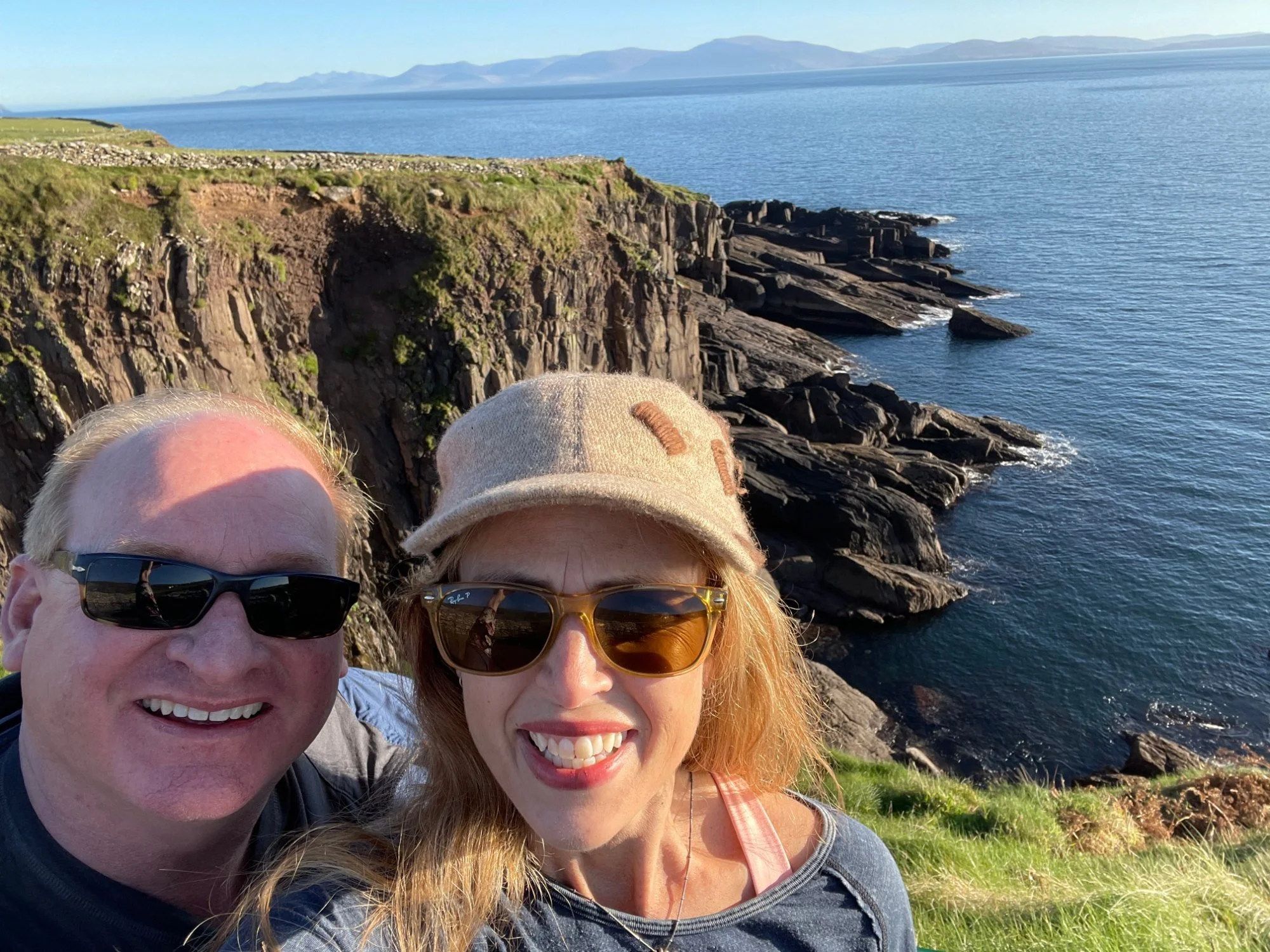
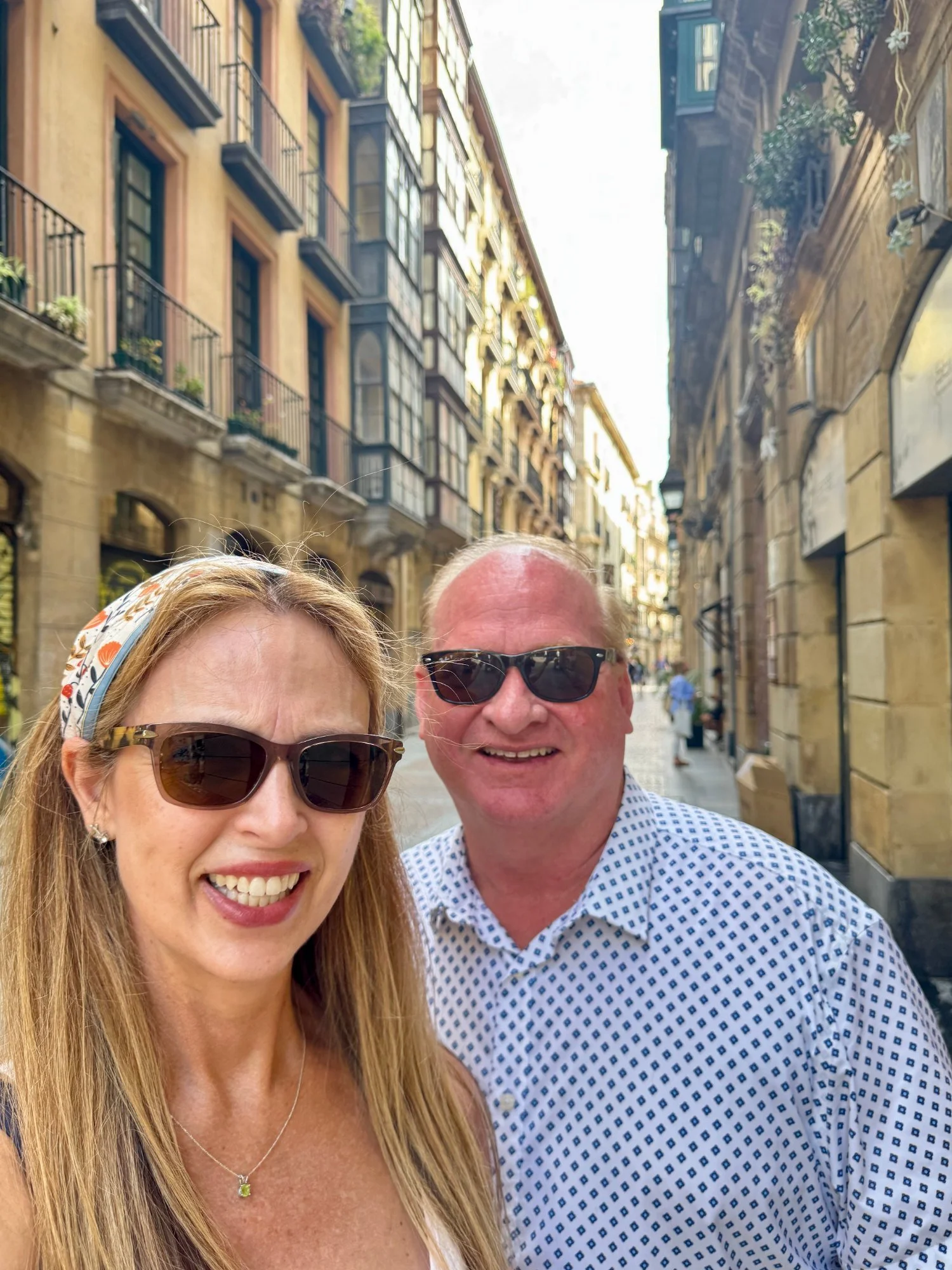
At home, a new chapter has begun. With Jacob having graduated from Embry-Riddle Aeronautical University, where he earned both his undergraduate and master’s degrees, and Emily now a freshman at UCF, they are officially empty nesters. Jim and Kristin plan to spend more time traveling to the places they once set aside during their years of service. Still, neither is stepping away. Both remain deeply rooted in Windermere, carrying the steady confidence of people who have done the work, the unglamorous, nuts-and-bolts, day-in-and-day-out kind of effort that doesn’t seek attention but leaves a lasting mark on a community.
The Legacy
Because in a town like Windermere, the role of mayor is never carried by one person alone, family support is key. It is shared quietly at the dinner table, in the late nights and early mornings, in the moments missed and the sacrifices made. It shows up in the small things in the long mornings of the annual Fourth of July pancake breakfast, in the hours spent behind the scenes at community events, and in a family’s willingness to give their time so the town can come together. It is a commitment carried not just by the person in office, but by those who stand beside them.
After more than 15 years of service to Windermere, eight on the Town Council and six as mayor, Jim doesn’t point to monuments or milestones when asked about his time in office. He speaks of something simpler: trust. Of people leaving Town Hall feeling heard, included, and never like outsiders.
In the end, that is the O’Brien legacy: not a single landmark, but a town that knows how to show up for one another, every time it matters.
